Showing posts with label Agile Development. Show all posts

Monday, May 12, 2025

Accelerate MVP Feedback Loops With Automated Testing


Launching your Minimum Viable Product (MVP) fast is one thing. Learning from it quickly is another. That’s where automated testing comes in. MVP feedback loops help you gather user input, tweak features, and test again, all without grinding your development team to the bone. This blog shows you how to cut cycle time, scale efficiently, and keep your product roadmap sharp using automated testing. Let’s break down how this works in practice.
What Is Automated Testing & Why It Matters for MVPs

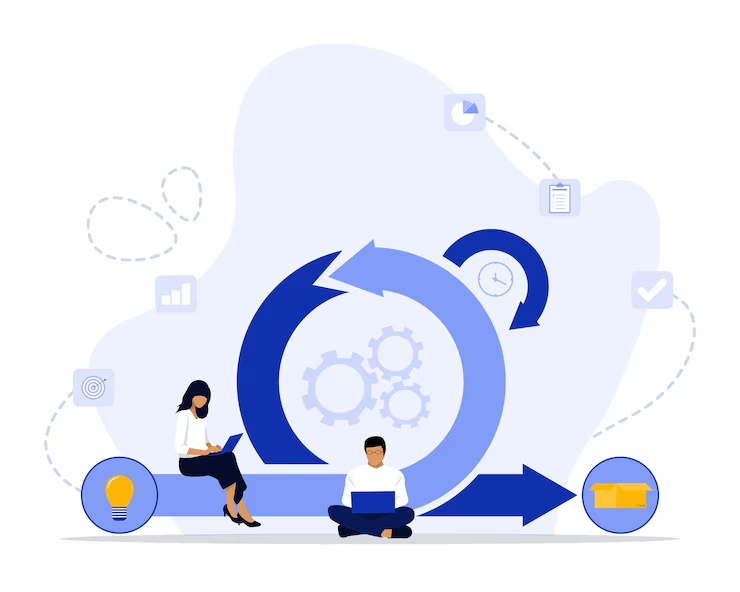
Automated testing involves using software tools to run pre-scripted tests on your code, user interface, and APIs. Unlike manual testing, it doesn’t require human intervention, making it faster, repeatable, and scalable.

For MVPs, where iteration speed is everything, automation helps reduce human error, ensures consistent feedback loops, and frees your team to focus on building.

Why MVPs should automate early:

  • Speed up QA cycles during rapid iteration

  • Detect bugs faster in every deployment

  • Keep feature releases clean and stable

  • Improve feedback response time to user input

According to GitLab, teams that use automated testing release 60% faster than those who rely on manual testing.

If you want to skip the technical bottlenecks? Bluell AB's software testing services help startups set up reliable automated test suites that fit their tech stack and budget.

Faster Iteration = Faster Learning

Every MVP needs user feedback. But if every tweak takes days to test and deploy, your feedback loop slows to a crawl. Automated testing speeds up this cycle by validating builds the moment code changes hit your repo.

Instead of relying on a QA team to test flows manually, automated test suites flag errors immediately, before they reach staging or production. This means you can push updates confidently and continuously.

Results of faster feedback:

  • Cycle time reduction by 50–70%

  • Early detection of integration issues

  • Shorter decision-making loops for product managers

A study by Puppet found that teams using automation deployed code 46x more frequently and had 440x faster lead times.

Continuous Integration and Deployment (CI/CD) + Testing = MVP Superpower

When automated testing is combined with a CI/CD pipeline, the result is magical. You don’t just run tests, you release confidently, daily if needed.

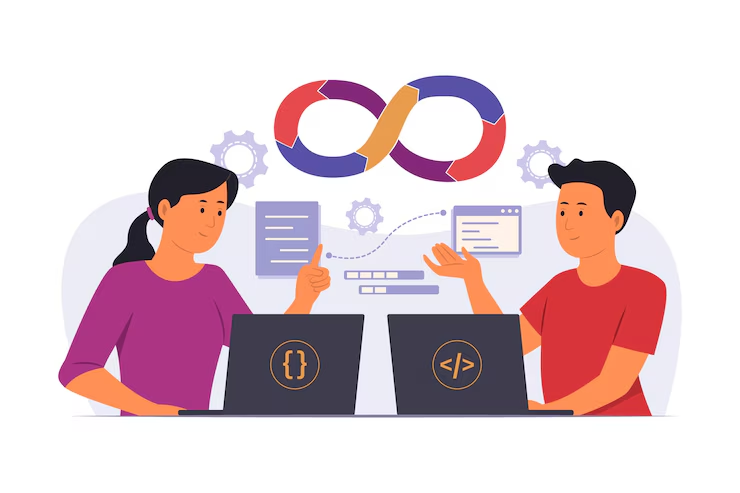
CI/CD ensures that every push is tested and deployed automatically, keeping your MVP fresh and responsive to user behavior. Whether it’s a UI tweak or a new microservice, automation ensures it ships without breaking anything else.
Key testing types to plug into CI/CD:

  • Unit Tests – Validate individual components

  • Integration Tests – Ensure modules work together

  • End-to-End (E2E) Tests – Simulate full user journeys

  • Regression Tests – Prevent old bugs from returning

Choosing the Right Tools for MVP Testing

Not all testing tools are created equal. For MVPs, you want tools that are lightweight, easy to configure, and fast to run. Here's a breakdown of some popular ones:

Top tools for automated MVP testing:

  • Jest – Great for unit testing JavaScript applications

  • Cypress – Easy-to-use E2E testing with real browser simulation

  • Selenium – Versatile browser automation

  • Postman – API testing and monitoring

  • GitHub Actions – CI automation with testing workflows

Pick tools that integrate with your current tech stack and support quick iterations.

Quantifying the Impact: Testing ROI

Testing feels like overhead until you see the savings. Automated tests catch bugs early, reduce QA labor, and protect your reputation from avoidable failures.

By the numbers:

  • 92% fewer bugs detected in production when using automated testing (Capgemini)

  • 30–40% time savings on test cycles after implementing test automation

  • $1 spent on fixing a bug during development saves $100 in production

Real ROI is not just in cost, it's in speed, confidence, and better product decisions.

Smart Testing = Better Product Decisions

The ultimate goal of a tight MVP feedback loop is decision-making. Automated testing gives you reliable data on what’s working and what’s not.

You can A/B test new features, monitor stability metrics, and react quickly to feedback without introducing new bugs. That kind of agility turns MVPs into real products.

How testing informs product strategy:

  • Confidence to experiment with features

  • Data to back or reject hypotheses

  • Clarity on what to build next

How Bluell Helps Startups Test Smarter

You don’t have time for over-engineered test systems. Bluell works with startup teams to integrate test automation into their MVP process. Whether you use React, Node, Django, or a hybrid stack, Bluell customizes your test plan to:

  • Protect your core user flows

  • Set up fast feedback cycles

  • Scale QA with your team

This means less firefighting and more feature shipping.

Conclusion

If your MVP isn’t learning fast, it’s already falling behind. Automated testing empowers you to launch quicker, iterate smarter, and ship confidently.

The feedback loop is where product-market fit happens. Automated testing ensures that loop stays short, focused, and repeatable, setting your startup up for real, scalable success.

Don’t wait until your product is mature to test like a pro. Bake it into your MVP and stay two steps ahead.



Monday, May 5, 2025

Why You Should Invest in Custom Software Development Early On?

Why You Should Invest in Custom Software Development Early On?

If you're running a startup, you know how important it is to make smart, strategic decisions from the

get-go. And one of those decisions is investing in custom software development. The sooner you invest

in tailored technology for your business, the better prepared you’ll be to scale, adapt, and outperform

competitors. This isn’t just some added luxury instead, it’s the backbone of your growth.

Let’s dive into why building your own software foundation from the start is crucial for your startup’s

success.

The Cost of Waiting Too Long

If you're like most startups, you probably think, “I’ll wait until I need custom software.”

Here’s a drawback: by the time you realize you “need” it, it’s already too late.

Market competition moves fast, and you don’t want to fall behind. Waiting too long to invest in

custom software development means you’ll struggle with limitations that slow you down.

Procrastination leads to:

  • Inefficiency that wastes time and resources.

  • Growth obstacles that hold you back.

  • Tech debt accumulates and eventually costs more to fix.

  • Frustrated users who experience clunky interfaces or constant downtime.

In fact, research from CB Insights found that 38% of startups fail because they run out of cash,

and inefficient systems are often a big part of the problem. Every moment spent fixing a patchwork

solution is time you could be using to grow your business.

Custom Software Solves Unique Problems

Your startup is unique, and so are your needs. Off-the-shelf software solutions may solve part of the

puzzle, but they can’t address the specific challenges and goals that make your startup stand out.

This is where custom software development comes in.

With custom software, you can build a solution that fits your business perfectly. You’ll get:

  • Customized features that solve your specific challenges.

  • User experiences that reflect your brand’s identity.

  • Seamless integration with the tools that matter most to your team.

  • Efficiency boosts in your internal processes.

When you have software that’s made specifically for you, it’s like having a tool designed for your exact

job, rather than trying to make do with a generic one.

Flexibility as You Scale

As your startup grows, you need technology that can grow with you.

What works for your team of 10 won’t work when you're managing 10,000 customers.

And that’s where custom software gives you the edge.

By investing in custom software development, you’re creating:

  • Scalable architecture that can grow with you.

  • Custom features that let you stay agile without relying on third-party tools.

  • Automated processes to streamline operations as your user base expands.

Starting with a custom-built solution means that when you scale, your technology won’t hold you back.

You'll have a system designed to evolve with your business.

Data Security and Compliance

In today’s world, security is a non-negotiable. A data breach can destroy your reputation and cost you

customers. By using off-the-shelf software, you risk sharing sensitive data with third parties.

With custom software, you can control your security measures and ensure your business is protected.

Custom software gives you the ability to:

  • Build strong encryption protocols to safeguard your data.

  • Implement custom access controls to protect sensitive information.

  • Easily comply with industry regulations like GDPR, HIPAA, or SOC 2.

If you're in industries like FinTech or HealthTech, you need the highest level of security to maintain trust

and stay compliant.

Make Smarter Decisions with Custom Analytics

With off-the-shelf software, you're stuck with the analytics and reporting features it provides.

But you know your business better than anyone else. Custom software allows you to build analytics

that matter to you.

With tailored analytics, you can:

  • Track real-time user behavior and market trends.

  • Monitor critical business metrics in one place.

  • Set up automated alerts for important changes or goals with AI.

Being able to make data-driven decisions based on what matters most to your startup gives you the

agility you need to outpace competitors.

Align Tech with Vision

Your tech needs to match your vision. It has to support your values, culture, and long-term goals.

When you use off-the-shelf tools, you’re essentially putting a square peg into a round hole.

But with custom software, you can build exactly what you need,

ensuring that your tech reflects your company’s identity.

When your software is aligned with your business, you’ll experience:

  • Faster development cycles with a focused product team.

  • A unified internal culture where everyone is on the same page.

  • A seamless external experience for your users.

This level of alignment is nearly impossible with generic software that isn’t tailored to your company.

Custom Software ROI vs Off-the-Shelf Tools

Now, you might be thinking, “But isn’t custom software expensive?”

It’s true that there’s a higher upfront cost, but in the long run, custom software saves you money.

Let’s break it down:

Off-the-shelf software: You're paying monthly fees, dealing with limitations, and possibly outgrowing

the tool as you scale.

Custom Software: You pay for the development upfront, but you gain flexibility, control,

and no dependency on third-party vendors.

Studies show that businesses that use custom-built software report 23% higher productivity

and reduced support costs. When you add it all up, the ROI becomes clear.

Future-Proof Your Business

Technology changes fast. You don’t want to be stuck with outdated software that needs to be replaced

every few years. By building custom software from the start, you future-proof your business.

Custom software gives you:

  • Modular architecture that lets you update your system easily.

  • The ability to integrate with new technologies as they emerge.

  • Long-term scalability to handle growing demands.

When you build with the future in mind, you’re setting your startup up for long-term success.

Sync Web and Mobile Experiences

Today’s customers expect a seamless experience across all devices. Custom software lets you create

a consistent user experience, whether someone is accessing your platform on a desktop or mobile device.

Custom software lets you:

  • Offer a unified user experience across platforms.

  • Create shared codebases to save time on development.

  • Ensure user context is maintained no matter how your customers interact with your platform.

This level of consistency builds trust and increases engagement.

Example: How Startups Are Already Doing This

Let’s look at some real-world examples of startups that got it right:

  • Slack: Built its own messaging system instead of using existing tools.

  • Airbnb: Created a unique booking engine to meet their needs.

  • Notion: Developed a custom editor to offer a personalized experience.

These startups didn’t wait until they were “big.” They invested in custom software early,

and that decision was crucial to their growth.

Where to Start with Custom Software

You don’t need a massive budget or a full dev team to start building custom software.

Begin by identifying where your current tools are failing you:

  • Are you using too many disconnected platforms?

  • Do you have repetitive tasks that could be automated?

  • Is your current software limiting your growth?

If any of these are true, it’s time to consider custom software development.

Conclusion

At the end of the day, startups succeed when they move fast, but they also need the right tech to

back up that speed. Investing in custom software early sets you up for success by providing flexibility,

scalability, and a competitive edge.

It’s time to stop piecing together temporary solutions and start building something that can grow

with you. Custom software development isn’t just for big companies; it’s for startups that want to

succeed.


UX Red Flags: Why Users Drop Off During Onboarding

  The first few minutes a user spends in your app or product are make-or-break. Onboarding UX isn’t just about tutorials and tooltips; it’s...