
Showing posts with label backend development. Show all posts

Sunday, June 29, 2025

Accelerate Growth by Integrating Real-Time Analytics into Your Product

In today’s digital-first world, integrating real-time analytics into your product isn’t just a feature; it’s a growth accelerator. Whether you're running a SaaS tool, a mobile app, or a data-driven platform, your ability to monitor, adapt, and optimize based on real-time user data can define your competitive edge.

Modern product architectures rely on tightly integrated data flows that respond in real-time. Whether it's tracking user behavior or updating UI components instantly, these systems depend on robust design choices that span across the stack. We’ve shared a practical look at how this plays out in our breakdown of full-stack development workflows.

Why Real-Time Analytics Is a Game Changer

Real-time analytics allows teams to make decisions while events are happening, not hours or days later. This shift changes how businesses understand user behavior, manage systems, and refine their offerings.

What Real-Time Data Enables:

  • Immediate detection of bugs or failures

  • Live user behavior tracking (e.g., session activity)

  • Real-time content personalization

  • Dynamic pricing or recommendations

  • Up-to-the-second reporting for stakeholders

Stat to Know: According to Deloitte, businesses using real-time analytics are 2.5 times more likely to make decisions faster than competitors.

Understanding the Architecture Behind Real-Time Systems

Real-time analytics isn’t just about slapping a dashboard on your product. It requires an architecture that handles large data volumes with low latency.

Core Components:

  • Event stream processor: Kafka, RabbitMQ, or AWS Kinesis

  • In-memory database: Redis or Apache Druid for instant data access

  • Data pipeline orchestration: Apache Airflow or Prefect

  • Frontend integration: WebSockets or Server-Sent Events for UI updates

This blend of backend infrastructure and frontend responsiveness is key. If you're curious about how backend systems handle data streaming, processing, and delivery in real-time environments, our overview of backend development offers a clear explanation of the core concepts and their practical applications.

Real-World Use Cases of Real-Time Analytics

Let’s break it down with examples across industries:

E-commerce

  • Monitor checkout abandonment in real-time

  • Adjust promotions based on live user traffic

  • Track inventory and adjust pricing dynamically

Fintech

  • Fraud detection based on transaction behavior

  • Instant credit scoring from live inputs

  • Monitoring API latency in real-time

HealthTech

  • Monitor patient vitals live via wearable devices

  • Send alerts to practitioners when anomalies are detected

  • Analyze trends from multiple clinics instantly

Real-time insights often begin with the frontend user event triggers. You can see how these interface points work in our frontend development overview.

How Real-Time Feedback Drives Product Growth

Here’s where the growth story begins. Real-time analytics enables you to learn, adapt, and respond before the opportunity passes.

How It Fuels Growth:

  • Faster product iterations: See user drop-offs or conversions instantly.

  • Improved customer experience: Fix issues before customers notice.

  • Targeted onboarding flows: Customize based on in-session behavior.

  • Data-driven experimentation: Run A/B tests and respond live.

Quote: "We reduced our churn rate by 18% in 3 months after plugging in real-time feedback to our onboarding flow."

Tools That Make Real-Time Analytics Easier

Here are battle-tested tools that help bring real-time insights into your stack:

  • Segment or PostHog for tracking user actions

  • Apache Kafka for high-volume data stream processing

  • Snowflake or BigQuery for querying large datasets quickly

  • Looker or Metabase for visualizing in-product insights

  • Socket.io or WebSockets for live frontend updates

Interesting Insight: Segment reported that companies using behavioral data for product decisions saw double-digit user retention growth.

Challenges You Should Plan For

Real-time systems aren’t plug-and-play. Here’s what to anticipate:

Common Hurdles:

  • Data volume: You’ll need to manage high-throughput events

  • Latency: Keeping it under 200ms is critical for responsiveness

  • Cost: Real-time infrastructure can grow expensive if not optimized

  • Data accuracy: Real-time pipelines may sacrifice validation

  • Team coordination: Aligning frontend, backend, and analytics teams is a must

Making the Case for Real-Time with Stakeholders

If you’re an engineer, PM, or founder trying to advocate for this internally, focus on:

  • User engagement metrics: Real-time alerts, chat, and dashboards

  • Revenue growth: Dynamic pricing, instant upsells, and optimized conversions

  • Operational resilience: Monitoring and alerting before downtime spreads

Frame it around business impact, not just the tech stack.

Final Thoughts: From Passive to Proactive Products

Integrating real-time analytics transforms a product from being reactive to proactive. It becomes more than a tool; it becomes an adaptive system that evolves with its users.

It’s not just about tracking clicks; it’s about understanding intent and responding with speed.

Whether you're optimizing a checkout flow, scaling a health app, or running a SaaS dashboard, real-time analytics isn’t a luxury anymore. It’s a standard that drives growth.


Wednesday, June 18, 2025

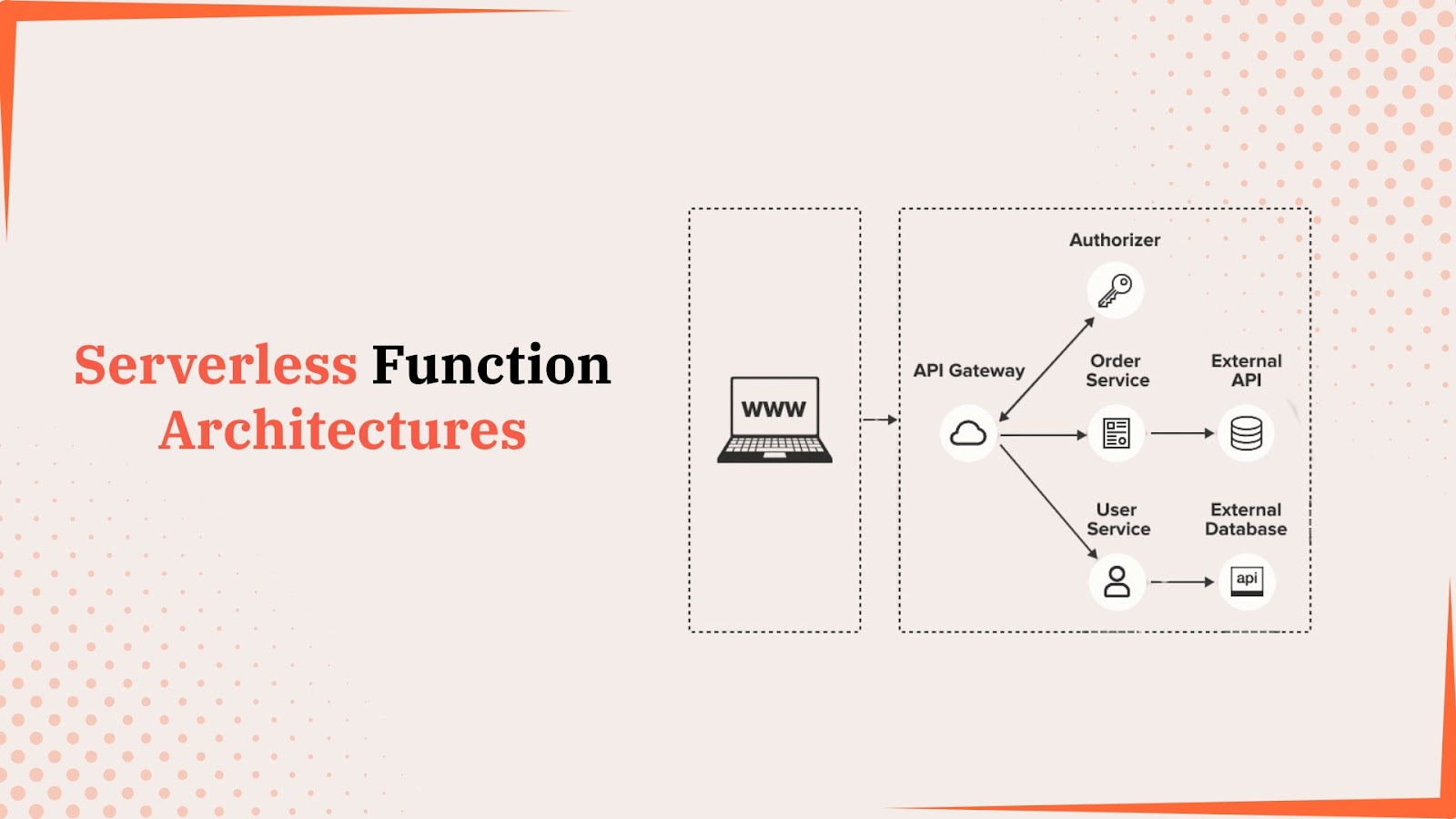
Cut Hosting Costs With Serverless Function Architectures

If your cloud bills are climbing higher than your revenue, it might be time to rethink your backend. Serverless function architectures have quickly become the go-to for startups and scale-ups looking to cut hosting costs without sacrificing performance.

Instead of paying for idle servers 24/7, serverless lets you pay only when code runs. It’s a smarter, leaner way to build.

Why Traditional Hosting Costs Add Up Fast

Let’s say you’ve launched a web app on a VPS or managed Kubernetes cluster. Even when traffic is low, say, at 3 AM, you’re still paying for:

  • Idle CPU and RAM

  • Operating system updates

  • Load balancers and unused containers

  • Reserved instances "just in case"

According to Flexera’s State of the Cloud report, wasted cloud spend averages 30% across enterprises. That’s a massive leak for smaller companies.

When we looked into full-stack development patterns in cost-conscious projects, the consistent winner was serverless.

What Is Serverless Architecture, Really?

Despite the name, serverless doesn't mean "no servers." It means you don’t manage the servers; the cloud provider does.

Your functions sit in the cloud (like AWS Lambda, Google Cloud Functions, or Azure Functions) and execute in response to events:

  • HTTP requests (API calls)

  • File uploads

  • Database triggers

  • Scheduled tasks (CRON jobs)

Benefits:

  • Cost-efficient: You’re billed only for actual function execution time.

  • Scalable: Instantly scales up during demand spikes.

  • Maintenance-free: No OS patching or runtime upgrades.

  • Built-in fault tolerance: Redundant, geo-distributed by design.

It’s not just about price; serverless also simplifies development, especially in modern backend development stacks.

Real-World Example: Reducing Costs With Lambda

One e-commerce client running on AWS EC2 paid $450/month for a few t2.medium instances. After moving key endpoints (like order processing and payment hooks) to AWS Lambda, that dropped to $28/month.

They didn’t need to rewrite their entire app. Just offloading time-sensitive, low-traffic endpoints to serverless handled the job.

The biggest savings came from:

  • Eliminating 24/7 uptime needs

  • Avoiding instance over-provisioning

  • Zero-cost during traffic lulls

Pro tip: Most providers offer generous free tiers. Lambda gives 1M free requests/month.

Serverless + APIs = Budget-Friendly Microservices

Serverless pairs beautifully with microservice architecture. Each function can represent a microservice endpoint:

  • getProductDetails()

  • createUser()

  • handleWebhookEvent()

This decouples your logic into independent, deployable units. Hosting becomes event-driven and cost-efficient.

Bulletproof examples:

  • Firebase Functions + Firestore for mobile apps

  • Netlify Functions + Next.js for JAMstack websites

  • AWS Lambda + API Gateway + DynamoDB for real-time data pipelines

When we architected a JAMstack dashboard at Bluell, serverless APIs helped us keep infrastructure under budget and deployments lightning fast.

Monitoring and Debugging in the Serverless World

One hesitation many teams have is “How do we debug serverless?” The truth is, it’s not harder. It’s just different.

Tools to Know:

  • CloudWatch Logs (AWS) or GCP Cloud Logging

  • Sentry or New Relic for tracing and error alerts

  • Dashbird or Thundra for Lambda analytics

In fact, serverless makes debugging easier by isolating logic into small functions. You know exactly which piece failed.

And since serverless doesn’t rely on shared memory or runtime state, errors are localized and more predictable.

Key Considerations Before Going Serverless

Serverless isn't perfect for every workload. Here’s what to check:

  • Cold starts: Functions can take milliseconds to spin up if not pre-warmed

  • Execution limits: Most platforms have timeouts (e.g., 15 mins max in Lambda)

  • State management: You’ll need to use external DBs, not in-memory state

  • Vendor lock-in: Be mindful of using provider-specific APIs

Still, for many apps—especially ones with event-driven logic or irregular traffic—the tradeoffs are worth it.

When Serverless Saves the Most Money

You’ll see the biggest hosting savings if your app has:

  • Spiky or seasonal traffic

  • Multiple short-running API endpoints

  • Background jobs or async tasks

  • Webhook listeners

This is common in:

  • Startups launching MVPs

  • E-commerce stores with flash sales

  • Event platforms (tickets, bookings)

  • CRON-heavy scheduling apps

Is Serverless the Future of Backend Hosting?

Possibly—but it’s not the only future. Serverless works best alongside containerized and monolithic services when architected right.

A hybrid model—combining Kubernetes for core services and serverless for edge logic—is becoming increasingly popular. The key is understanding where serverless fits in your architecture.

Final Thoughts: Small Functions, Big Savings

Serverless isn’t just a buzzword. It’s a strategic tool that, when used right, cuts costs and simplifies ops.

By paying only when code runs, teams can test faster, launch quicker, and scale without the financial drag of traditional hosting.

If you’re trying to optimize your app architecture and reduce spend, serverless functions are a practical and proven option, especially for event-heavy, API-driven platforms.

Whether you're building microservices, automating back-office tasks, or just looking to trim your cloud bill, serverless might be your smartest move yet. If you're considering evolving your architecture further, check out our article on How to Migrate from Monolith to Microservices Without Breaking Everything for more guidance.

UX Red Flags: Why Users Drop Off During Onboarding

  The first few minutes a user spends in your app or product are make-or-break. Onboarding UX isn’t just about tutorials and tooltips; it’s...